Frequently Asked Questions for DriveSense ADAS Calibration and Service Center
What Is ADAS?
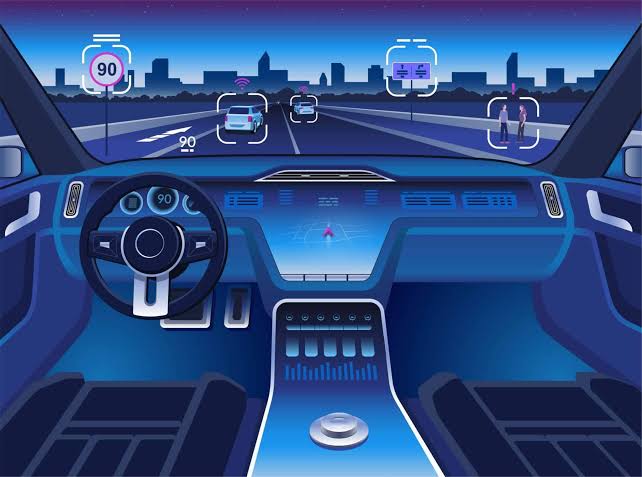
ADAS stands for Advanced Driver Assistance Systems. These are the safety technologies built into many modern vehicles that help drivers avoid accidents and improve driving safety. ADAS uses cameras, radar sensors, lasers, and onboard computers to monitor your surroundings and assist while driving.
Common ADAS features include:
• Automatic Emergency Braking (AEB)
• Forward Collision Warning (FCW)
• Lane Departure Warning (LDW)
• Lane Keeping Assist
• Blind Spot Monitoring
• Adaptive Cruise Control
• Rear Cross Traffic Alert
• Parking Assist Systems
• Traffic Sign Recognition
Why Is ADAS Important?
ADAS technologies are designed to reduce the risk of collisions by helping drivers identify hazards and react more quickly. These systems can provide warnings, assist with steering, or even apply the brakes automatically when necessary. When functioning properly, ADAS can significantly enhance vehicle safety.
What Is ADAS Calibration?
ADAS calibration is the process of precisely adjusting your vehicle’s cameras, radar sensors, and other safety components so they operate according to manufacturer specifications.
Even a small change in sensor position can affect how these systems interpret the road and surrounding traffic. Calibration ensures your safety features provide accurate information and perform correctly.
Why Would My Vehicle Need ADAS Calibration?
Your vehicle may require calibration after:
• A collision or accident
• Windshield replacement
• Bumper repair or replacement
• Suspension repairs
• Wheel alignment
• Sensor replacement
• Certain mechanical repairs
These repairs can alter the position of cameras and sensors, affecting system accuracy.
What Happens If ADAS Is Not Calibrated Correctly?
Improperly calibrated systems may:
• Fail to detect obstacles accurately
• Provide false warnings
• Apply brakes unnecessarily
• Fail to activate when needed
• Misjudge lane markings
• Reduce the effectiveness of collision avoidance systems
Because ADAS systems are designed to assist with critical safety functions, proper calibration is essential.
Does a Minor Accident Really Require ADAS Calibration?
Yes. Even a relatively minor impact can shift sensors or cameras by a small amount. While the movement may not be visible, it can affect the accuracy of ADAS systems and their ability to detect hazards correctly.
Do I Need ADAS Calibration After a Windshield Replacement?
In many vehicles, the forward-facing camera is mounted directly to the windshield. Replacing the windshield can alter the camera’s position, making recalibration necessary to ensure proper operation of lane departure warning, adaptive cruise control, and collision warning systems.
What Is the Difference Between Static and Dynamic Calibration?
Static Calibration
Static calibration is performed inside a controlled environment using specialized targets, equipment, and manufacturer procedures. The vehicle remains stationary during the process.
Dynamic Calibration
Dynamic calibration is performed while driving the vehicle under specific road conditions. The vehicle’s computer uses real-world driving data to recalibrate certain systems.
Some vehicles require one type of calibration, while others require both.
How Long Does ADAS Calibration Take?
Calibration times vary depending on the vehicle manufacturer, model, and the systems being calibrated. Some calibrations can be completed in less than an hour, while more complex calibrations may require several hours.
Will My Vehicle Warn Me If Calibration Is Needed?
Not always. Some vehicles may display warning lights or messages, while others may continue operating without any obvious indication that the system is out of calibration. This is why following manufacturer repair procedures is important after certain repairs.
Can Any Repair Shop Perform ADAS Calibration?
ADAS calibration requires specialized equipment, software, training, and a controlled environment. Not all repair facilities have the capability to perform calibrations according to manufacturer standards. Choosing an ADAS calibration specialist helps ensure your vehicle’s safety systems are functioning as intended.
How Can I Tell If My Vehicle Has ADAS Features?
Your vehicle likely has ADAS if it includes features such as:
• Adaptive Cruise Control
• Automatic Emergency Braking
• Blind Spot Monitoring
• Lane Keeping Assist
• Forward Collision Warning
• Rear Cross Traffic Alert
• Parking Assist Systems
Most vehicles manufactured in recent years include at least some ADAS technology.
Why Choose DriveSense ADAS for Calibration Services?
At DriveSense ADAS, our technicians utilize specialized calibration equipment and manufacturer-approved procedures to ensure your vehicle’s safety systems operate accurately. Whether your vehicle has been involved in a collision, received a windshield replacement, or undergone repairs affecting sensors and cameras, our goal is to restore your ADAS systems to proper operating condition so you can drive with confidence.
Schedule Your ADAS Calibration Today
If your vehicle has recently undergone collision repairs, windshield replacement, alignment work, or sensor-related repairs, contact DriveSense ADAS to determine whether calibration is required. Properly functioning ADAS technology plays an important role in helping keep you, your passengers, and everyone else on the road safe.